ByJohn A
How Altcoin Market Cycles Work
Altcoin cycles hinge on shifting liquidity, risk appetite, and tokenomics, with Bitcoin acting as the macro governor. Liquidity concentrates in Accumulation, builds toward Breakout, disperses and spikes in a Blow-off, then settles in a Cautious Consolidation. No single indicator suffices; robust signals come from market structure, holder dynamics, and tokenomics alignment. The pattern is data-driven, skeptical, and disciplined, not hype-driven—yet the next phase remains uncertain, inviting scrutiny of how liquidity and incentives collide.
Drivers of Altcoin Cycles and Money Flows
The drivers of altcoin cycles and corresponding money flows are driven by a mix of liquidity shifts, investor sentiment, and relative valuation signals across the crypto ecosystem.
In bear markets, capital pivots among tokens with perceived resilience, while venture capitalists recalibrate risk and funding horizons.
Data shows episodic inflows, fading hype, and selective bets that reprice risk with disciplined skepticism.
See also: newsscrolls
How Bitcoin Shapes Altcoin Cycles
Bitcoin acts as the macro governor for altcoin cycles, with its price action and volatility shaping risk appetite and capital allocation across the broader crypto market.
Bitcoin dominance influences liquidity rotation, guiding exchange flows and market sentiment.
Macro drivers and regulatory impact condition on chain metrics and valuation frameworks, while risk management and valuation discipline calibrate altcoin narratives against evolving liquidity cycles.
The Altcycle in Four Phases: Accumulation, Breakout, Blow-off, Consolidation
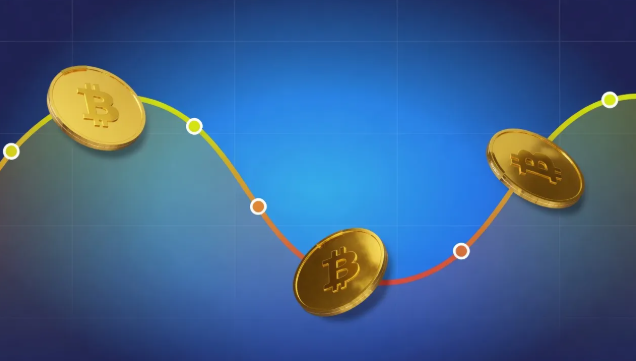
Accurately framing the altcoin market requires moving beyond Bitcoin-centric drivers to a four-phase map: Accumulation, Breakout, Blow-off, and Consolidation. The altcycle presents structured phases: accumulation signals consolidation of liquidity, Breakout aligns with dispersion of capital, Blow-off tests momentum sustainability, and Consolidation refines valuations post-peak. analysis of liquidity fragmentation and tokenomics dynamics reveal risks; two word ideas emerge, but remain non-aligned with subtopics.
Signals and Metrics to Spot the Next Cycle
What signals and metrics best anticipate the next altcoin cycle, and how reliable are they in distinguishing genuine momentum from noise?
In practice, market structure reveals trend strength, liquidity depth, and pivot points, while tokenomics dynamics track inflation, utility, and holder concentration.
Analysts remain skeptical: no single indicator suffices, cross-validating signals reduces false positives and clarifies cycle timing.
Conclusion
The cycle thesis rests on liquidity rhythms, not hype. Bitcoin’s macro gravity anchors expectations, while alt liquidity ebbs and flows with tokenomic signals. Juxtaposed: accumulation’s quiet bid vs. breakout’s flashy rallies; blow-off’s volume spikes against consolidation’s sober revaluation. Yet data warns against overconfidence—false breakouts mimic momentum, while holder behavior often lags price moves. In this dance, disciplined cross-validation across liquidity, structure, and fundamentals remains the antidote to narratives. Cycles repeat, but prudence should not.